

Delayed, damaged, or lost baggage are one of the biggest concerns when flying via commercial airlines. Many people wonder how often does luggage gets lost in aviation as airlines deal with luggage in their millions. Current data reveal that 5-7 bags are lost per 1,000 passengers, which, despite being a minor percentage, the chances of finding lost luggage are still low. The probability differs depending on the carrier, the route, and the period of the year. Major carriers have policies that govern how missing pieces of luggage are handled, so engaging with the processes and measures put in place can help relieve the stress of missing luggage.
What Can Cause You To Lose Your Luggage During a Flight?
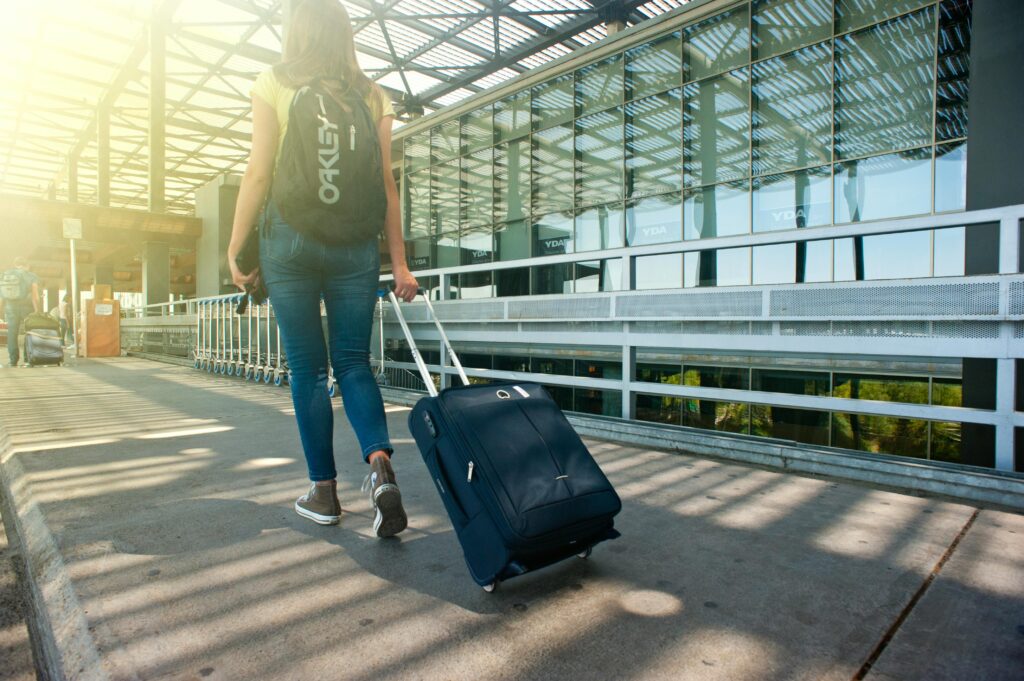
Misplacement of luggage is a familiar challenge that occurs in air travel and results from several factors. Thus, passenger mishandling can cause loss by not removing old destination tags, not properly stowing bags, or leaving things behind at security points. Like any other organization, airlines make mistakes when tagging or loading the bags, hence the mishaps. Such factors as technical breakdowns of baggage handling equipment, like conveyors and torn luggage tags, can also lead to cases of lost baggage.
Lost luggage generally requires one or two days to several weeks to be returned to its rightful owner. Luggage tags can be washed away or torn, or they can just wear out, and you can’t see the information on them anymore. Also, many airlines use outdated bar codes or incompatible machinery to trace luggage. Despite the developments in baggage handling, the processes of air transportation remain as intricate, and therefore, baggage will continue to get lost occasionally.
How Often Do Airlines Lose Passenger Luggage?
The COVID-19 pandemic significantly impacted the aviation industry, leading to staff shortages and increased challenges in baggage handling. Post-pandemic recovery has shown mixed trends in baggage mishandling rates among European airlines, with some improving and others experiencing setbacks. These developments highlight the importance of strengthening operational efficiency and improving communication within the aviation sector.
| Airline | Bags Mishandled per 1,000 Passengers in 2023 | Bags Mishandled per 1,000 Passengers in 2022 |
| Lufthansa | 7.8 | 6.9 |
| Air France | 6.5 | 8.2 |
| British Airways | 5.9 | 7.3 |
| KLM | 6.7 | 8.1 |
| Ryanair | 3.2 | 4.8 |
| easyJet | 4.1 | 5.5 |
| Turkish Airlines | 5.8 | 6.6 |
| Scandinavian Airlines (SAS) | 6.4 | 7.9 |
The data indicates that, while some European airlines have made significant improvements in baggage handling between 2022 and 2023, others have experienced fluctuations. These variations can be attributed to factors such as increased travel demand, the implementation of new operational procedures, and staffing changes. For European passengers, these fluctuations underline the need for airlines to implement robust baggage handling technologies and streamline processes, particularly during peak travel seasons.
Pro Traveler’s Tip: If traveling with checked baggage, take a photo of your bag before checking it in. This will help you describe it more accurately if lost.
Liability of the Airline in Case of Loss of Baggage
Passenger rights regarding lost baggage are governed by international conventions like the Montreal Convention and regional laws such as EU Regulation 261/2004, ensuring travelers are adequately protected. The Montreal Convention provides clear guidelines for compensating travelers, with effective October 2024 adjustments increasing the compensation limit to 1,288 Special Drawing Rights (SDRs)—approximately €1,920 for international flights. SDRs are an international monetary unit used by the International Monetary Fund to standardize compensation limits across countries.
Airlines often have specific guidelines for handling lost luggage, but they do not always convey this information clearly. Additionally, airlines set strict time limits for reporting issues, typically requiring passengers to file claims within 7 days for damaged baggage and 21 days for delayed baggage.
In the European Union, airlines are obligated to compensate passengers for luggage that is lost, delayed, or damaged, in line with these regulations. Passengers are entitled to reimbursement for the value of their lost belongings and any necessary expenses caused by mishandling. It is essential for passengers to familiarize themselves with these rights and act promptly to claim fair compensation for lost baggage if their belongings are mishandled or never recovered by the airline.
Pro Traveler’s Tip: Many airlines now allow Bluetooth trackers like Apple AirTags. Having one in your suitcase can help you track its last known location in real-time.
Lost Luggage – What To Do?
What happens in case the airline loses your luggage? Passengers should report the problem to the airline’s baggage claim office, prepare the formal claim, and gather all the papers. Check frequently on the airline’s website or call the airline for more information and contact the travel insurance company. Preserve the receipts for some chances of being reimbursed in the process.
Be aware of the carrier’s rules concerning the declaration of bags as permanently missing. Specifically, innovations such as Apple AirTag have a luggage tracking feature that was described as risky at the beginning but has since been proven safe by governments such as the German one. It is also important to know that many airlines permit their use today.
FAQ
If an airline loses your luggage, you should report it immediately, complete a Property Irregularity Report, get a tracking number, save your receipts, and follow up regularly. Depending on the type of airline, you might be entitled to compensation if you are lost.
Compared to other major carriers, American Airlines, United Airlines, and JetBlue have more baggage mishandled occurrences. Low-cost airlines such as Spirit Airlines and Frontier Airlines encounter difficulties as well. Airline efficiency is higher on Delta and Southwest. Airbag function is impacted by weather, airport layout, and transfer schedules.
Airlines mishandle checked bags an average of 5–6 times out of every 1,000 passengers, with a 0.5% probability of delay or loss. However, this might vary depending on the airline, connecting flights, airports, and the times of year when travel is at its highest.
Nonstop flights also decrease the cases of luggage mishandling because there are fewer misrouted chances, decreased time pressure on the personnel handling the bags, few wrong tagging chances and loading mistakes, and security inspections. To reduce the possible dangers, utilize luggage labels, erase the previous airline labels, and reach terminals on schedule.